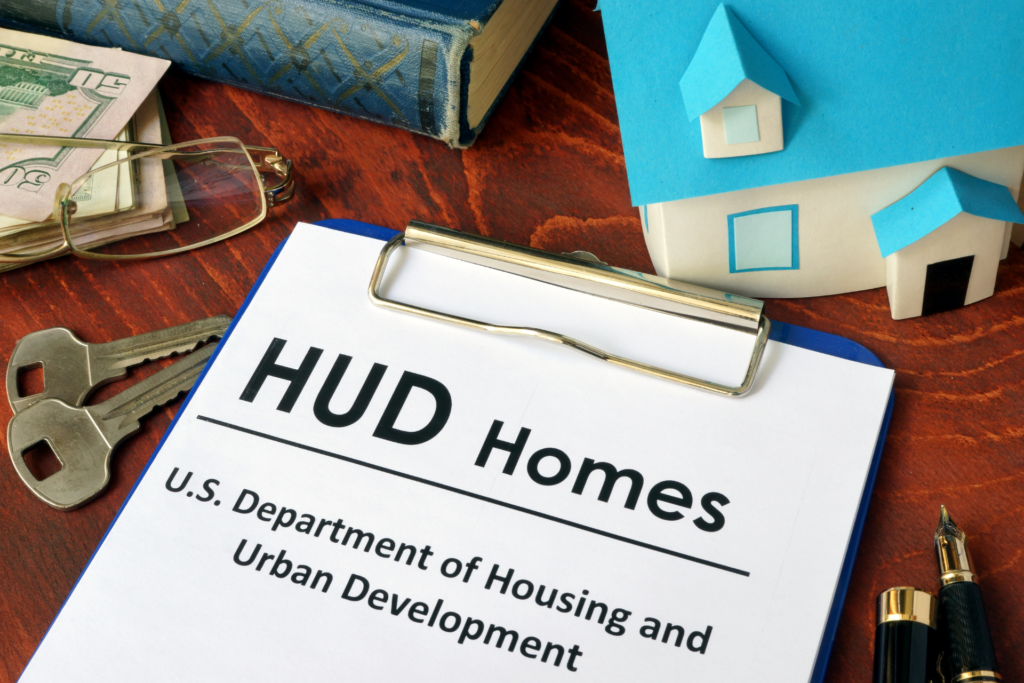
What is a HUD Home?
A HUD home refers to a property that is owned by the U.S. Department of Housing and Urban Development (HUD). These homes are typically acquired by HUD as a result of foreclosure on a Federal Housing Administration (FHA) insured mortgage. HUD homes are sold through a bidding process and offer an opportunity for buyers to purchase affordable housing. In this article, we will delve into the key aspects of HUD homes, including how they are acquired, the benefits they offer, and the process of buying one.
Acquiring HUD Homes
HUD homes are acquired by the Department of Housing and Urban Development when a homeowner defaults on their FHA-insured mortgage. When this happens, the property is foreclosed upon and ownership is transferred to HUD. Once HUD takes possession of the property, it becomes a HUD home and is made available for sale.
HUD acquires these homes through the foreclosure process, which occurs when a homeowner fails to make mortgage payments and the lender takes legal action to repossess the property. If the mortgage is insured by the FHA, HUD becomes the owner of the property after the foreclosure process is complete. This allows HUD to offer the property for sale to potential buyers.
Benefits of Buying a HUD Home
Purchasing a HUD home comes with a range of benefits for potential buyers. Some of the advantages of buying a HUD home include:
- Affordability: HUD homes are often sold at competitive prices, making them an attractive option for buyers looking for affordable housing. These homes are typically priced below market value, allowing buyers to get more for their money.
- Financing Options: Various financing options are available for HUD homes, including FHA loans, making it easier for buyers to secure financing. FHA loans are specifically designed for first-time homebuyers and have less stringent credit requirements compared to conventional loans. This can be beneficial for buyers who may have limited credit history or lower credit scores.
- Opportunity for Renovation: HUD homes are sold in as-is condition, which means that buyers have the chance to customize and renovate the property according to their preferences. This presents an opportunity for buyers to add value to the home by making improvements and personalizing the space to their liking. However, it’s important for buyers to carefully assess the cost of renovations and factor them into their budget.
In addition to these benefits, HUD homes may also qualify for special programs and incentives. For example, HUD offers the Good Neighbor Next Door program, which provides discounts of up to 50% off the list price for eligible law enforcement officers, teachers, firefighters, and emergency medical technicians.
HUD Home Buying Process
If you are interested in purchasing a HUD home, it is important to understand the buying process. Here are the key steps involved:
- Find a HUD-Registered Real Estate Agent: To purchase a HUD home, you need to work with a real estate agent who is registered with HUD. These agents have access to HUD listings and can guide you through the purchasing process. They can help you navigate the complexities of buying a HUD home and ensure that you meet all the necessary requirements.
- Search for HUD Homes: Your HUD-registered agent can help you search for available HUD homes in your desired location. Additionally, you can visit the official HUD website to explore the available properties. It’s important to thoroughly research the properties you are interested in and consider factors such as location, condition, and potential renovation costs.
- Place a Bid: Once you find a HUD home that meets your requirements, you will need to submit a bid through your real estate agent. HUD follows a competitive bidding process, and the highest bid meeting the required criteria is usually selected. It’s important to carefully consider your budget and the maximum amount you are willing to bid. Your agent can provide guidance on how to structure your bid to increase the chances of it being accepted.
- HUD Acceptance and Closing: If your bid is accepted, you will work with your agent to complete the necessary paperwork and proceed with the closing process. It is essential to arrange financing and conduct a thorough inspection of the property before proceeding with the purchase. The inspection will help identify any potential issues or repairs needed, allowing you to make an informed decision. Once all the paperwork is finalized and the necessary funds are secured, the closing process can be completed, and you become the owner of the HUD home.
Tips for Buying a HUD Home
When considering the purchase of a HUD home, there are some important tips to keep in mind:
- Research and Due Diligence: Before placing a bid on a HUD home, thoroughly research the property and its condition. Conduct a home inspection to identify any issues or repairs that might be required. This will help you estimate the potential costs involved in renovating the property and ensure that it aligns with your budget and expectations.
- Budgeting: Set a budget for both the purchase price and any potential renovation costs. It is crucial to have a clear understanding of your financial limitations and ensure that the property aligns with your budget. Consider factors such as the down payment, closing costs, and ongoing expenses associated with homeownership.
- Work with Professionals: Consult with a real estate agent experienced in dealing with HUD homes. They can guide you through the process, help you understand the paperwork, and provide valuable advice. Additionally, consider hiring a qualified home inspector to thoroughly assess the property and identify any hidden issues. Having professionals on your side can help you make informed decisions and avoid potential pitfalls.
- Patience: The HUD home buying process can take longer than a traditional home purchase. Be patient and prepared for potential delays, as HUD must review and accept the bid. It’s important to stay in communication with your real estate agent and be proactive in providing any requested documentation or information to keep the process moving forward.
In conclusion, a HUD home presents an opportunity for prospective buyers to acquire an affordable property through a bidding process. Understanding the steps involved, benefits, and tips for buying a HUD home can help ensure a successful purchase. By conducting thorough research, working with professionals, and being patient throughout the process, you can navigate the world of HUD homes and find the right property that suits your needs and budget. Remember, it’s always recommended to consult with professionals and refer to official sources for accurate information when making any real estate decisions.
FAQ
- What is a HUD home?
A HUD home is a property owned by the U.S. Department of Housing and Urban Development (HUD), acquired through foreclosure on a Federal Housing Administration (FHA) insured mortgage. - How are HUD homes acquired?
HUD homes are acquired when a homeowner defaults on their FHA-insured mortgage and the property is foreclosed upon. Ownership is then transferred to HUD, making it a HUD home available for sale. - What are the benefits of buying a HUD home?
Buying a HUD home offers affordability, as these homes are often sold at competitive prices below market value. Financing options such as FHA loans are available, and there is an opportunity for renovation and customization. - What is the process of buying a HUD home?
To buy a HUD home, you need to find a HUD-registered real estate agent, search for available properties, place a bid, and if accepted, complete the necessary paperwork, arrange financing, conduct a thorough inspection, and proceed with the closing process.